

What is KHDA?
KHDA is the Knowledge and Human Development Authority, the government body that regulates private education in Dubai. It licenses private schools and nurseries, inspects schools, publishes school ratings and sets the rules that education providers follow.
For parents of young children, KHDA matters because it decides who can open a nursery, which ages a nursery can accept and what standards it has to meet.
What KHDA does for nurseries
KHDA calls nurseries early childhood centres. Every early childhood centre in Dubai needs a KHDA permit to operate, and the rules for early childhood care and education were updated in 2026.
A licensed nursery can welcome children from 45 days to six years old. That covers babies, toddlers and the preschool years, up to the age when most children move into Year 1 or Grade 1 at school.
The choice keeps growing. In the 2024–25 academic year, Dubai had 29,634 children in 312 private nurseries, and 17 new centres are opening for 2026–27. More choice is good news, but it also means more checking.
Is there a KHDA rating for nurseries?
Short answer
Not yet.
Schools in Dubai receive a public KHDA school rating. Nurseries don't have an equivalent rating today.
The KHDA school rating uses a six-point scale:
- Outstanding
- Very good
- Good
- Acceptable
- Weak
- Very weak
Instead, KHDA's Quality Framework for Early Childhood Care and Education, approved in 2026, describes what good early years care looks like. KHDA plans to build future quality reviews of nurseries on this framework. Until then, a nursery's KHDA rating isn't something you can look up.
What "KHDA approved" means
When a nursery says it's KHDA approved, it means the nursery holds a valid licence. That's an important starting point, but it isn't a quality grade. Two licensed nurseries can feel very different, so the visit and your own questions still matter.
Nurseries and school foundation stages
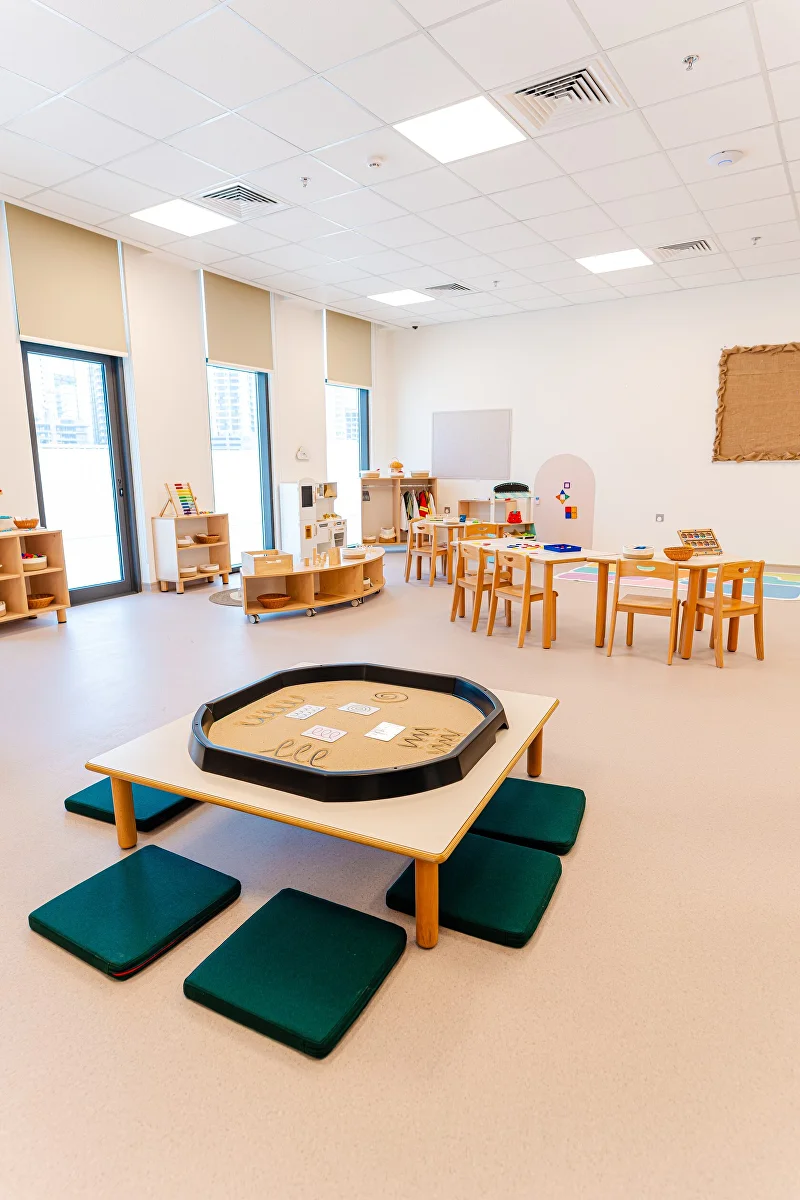
Some families compare a standalone nursery with the FS1 and FS2 classes at a British school. The school will have a KHDA school rating for the school as a whole. A nursery won't, even if it teaches the same British curriculum up to FS2.
How to check a licensed nursery
Ask for the permit number
Any licensed nursery will share its permit number, and many display it at reception. If a nursery can't tell you its number, treat that as a reason to look more closely.
Use the KHDA directory
Look the nursery up in the KHDA directory on the KHDA website or app. Check that the name, area and branch match the place you visited. Some nursery brands run several centres in different parts of Dubai, so make sure you're looking at the right one.
Check who looks after health
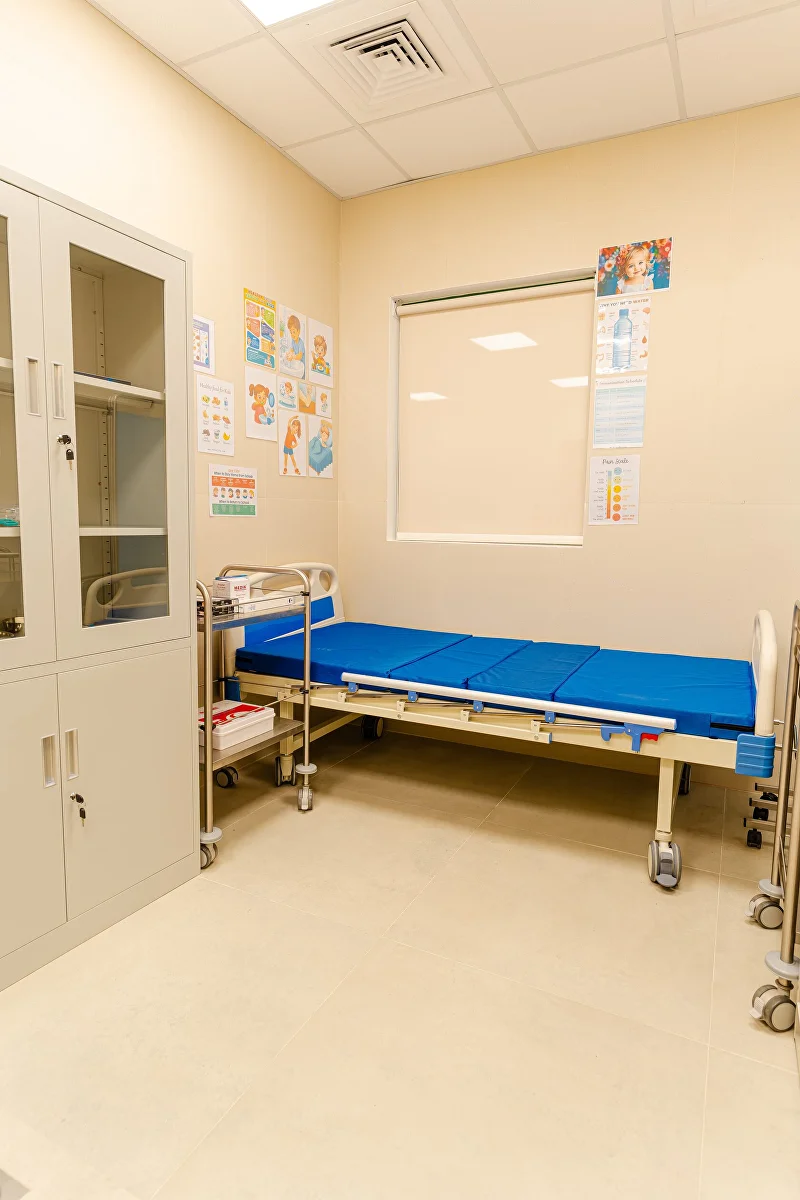
Ask who handles first aid and medicines during the day, and whether a nurse is on site. In Dubai, nurses are licensed by the Dubai Health Authority (DHA), so it's fair to ask about their certification too.
Questions to ask on a tour
A tour tells you more than any listing. Bring a short list and ask the same questions at every nursery you visit:
- What is the staff-to-child ratio for my child's age group?
- What training and experience do the teachers have?
- How long have the teachers worked here?
- Is there a nurse on site, and what happens if my child feels unwell?
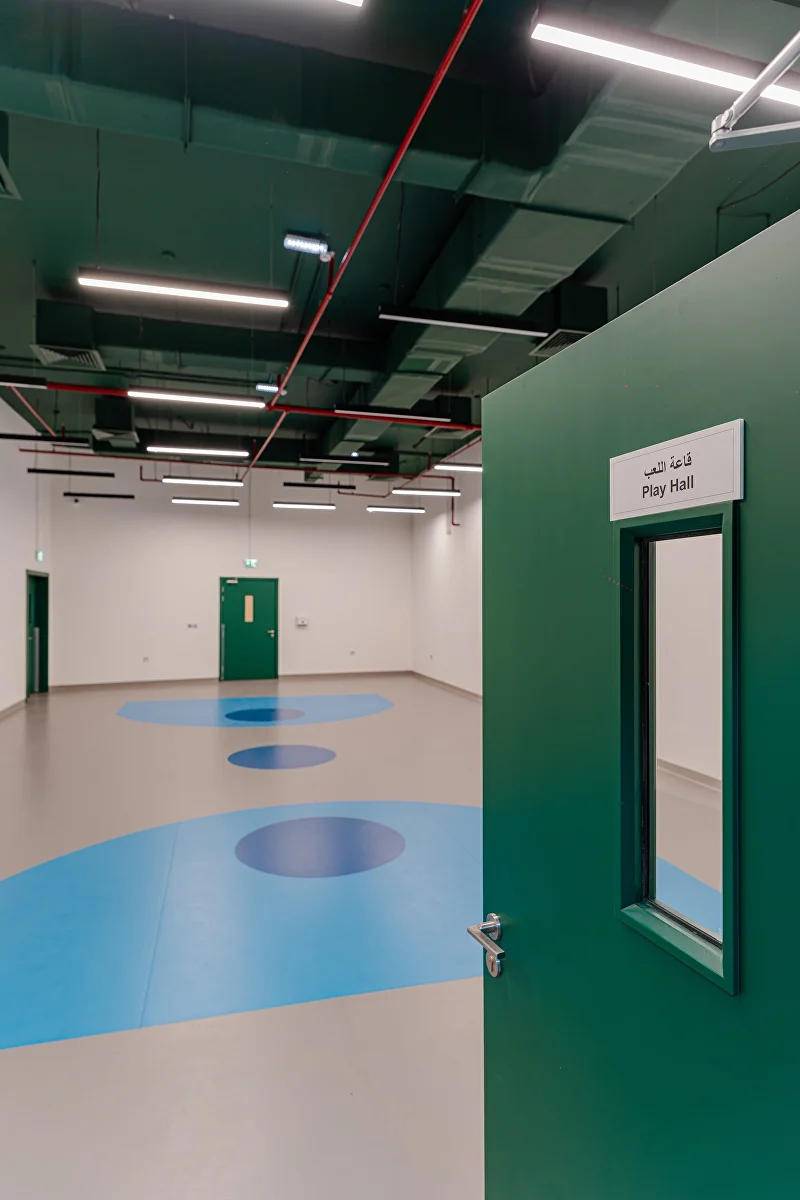
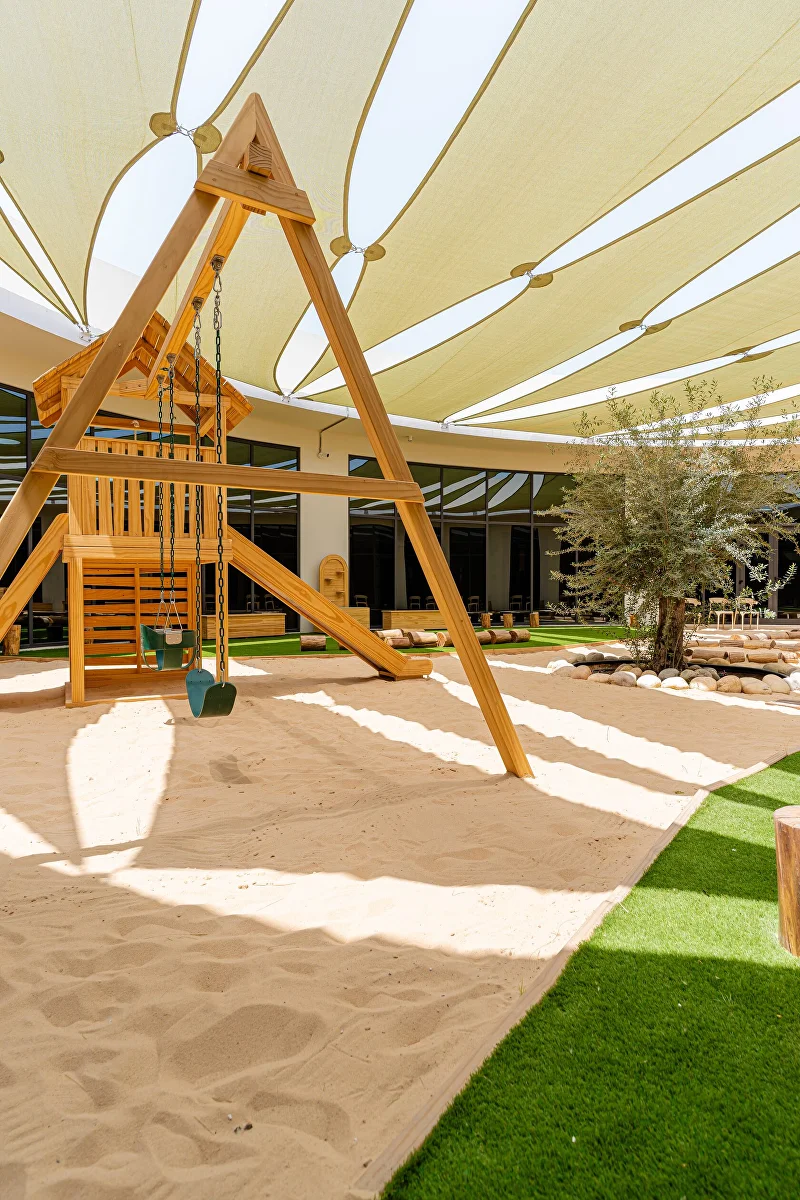
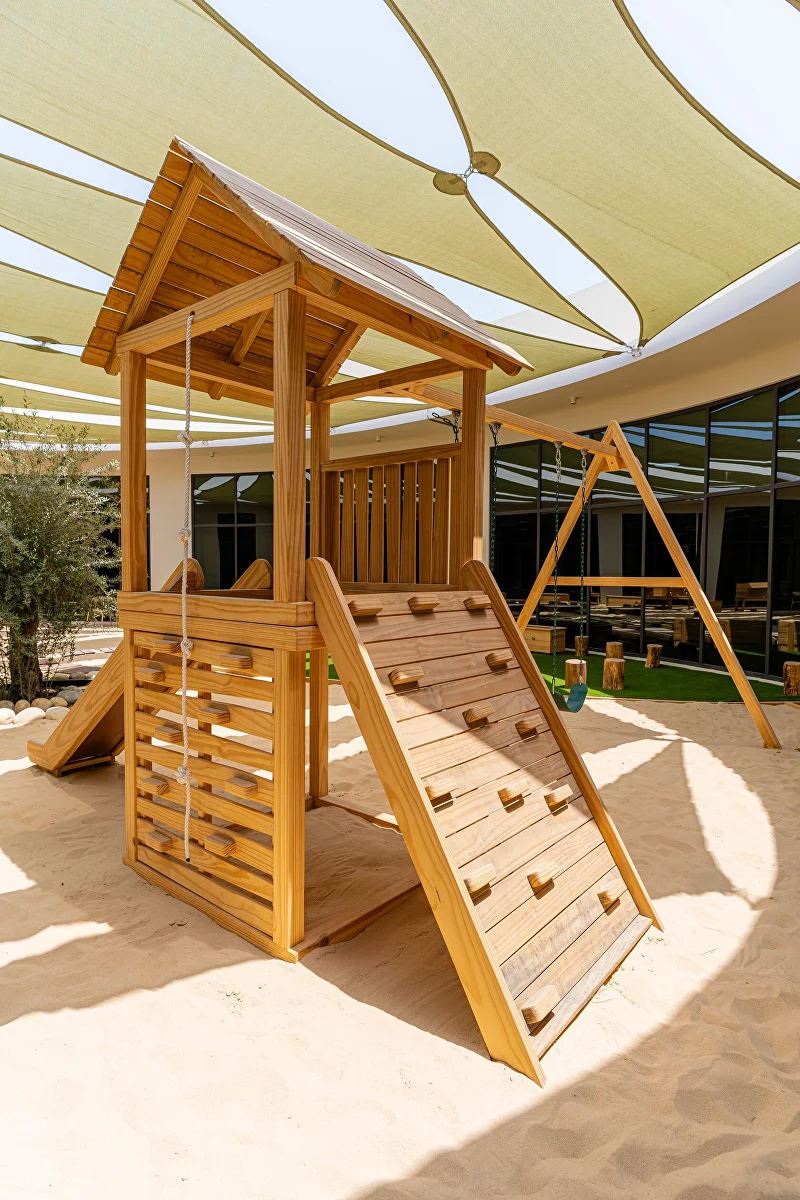
- How much time do children spend outdoors, and where do they play in summer?
- What does a typical day look like for my child's age?
- How will you share updates about my child's day?
- How does the settling-in period work?
For a fuller checklist, read our guide on how to choose a British nursery in Dubai.
Frequently asked questions
Does KHDA rate nurseries in Dubai?
Not at the moment. KHDA rates schools, and it has published a Quality Framework for early childhood care that will guide future reviews of nurseries.
How do I find a KHDA licensed nursery near me?
Search the KHDA directory of early childhood centres by area, then visit the nurseries that are close to home or work.
What ages can a Dubai nursery accept?
A licensed early childhood centre can accept children from 45 days to six years old.